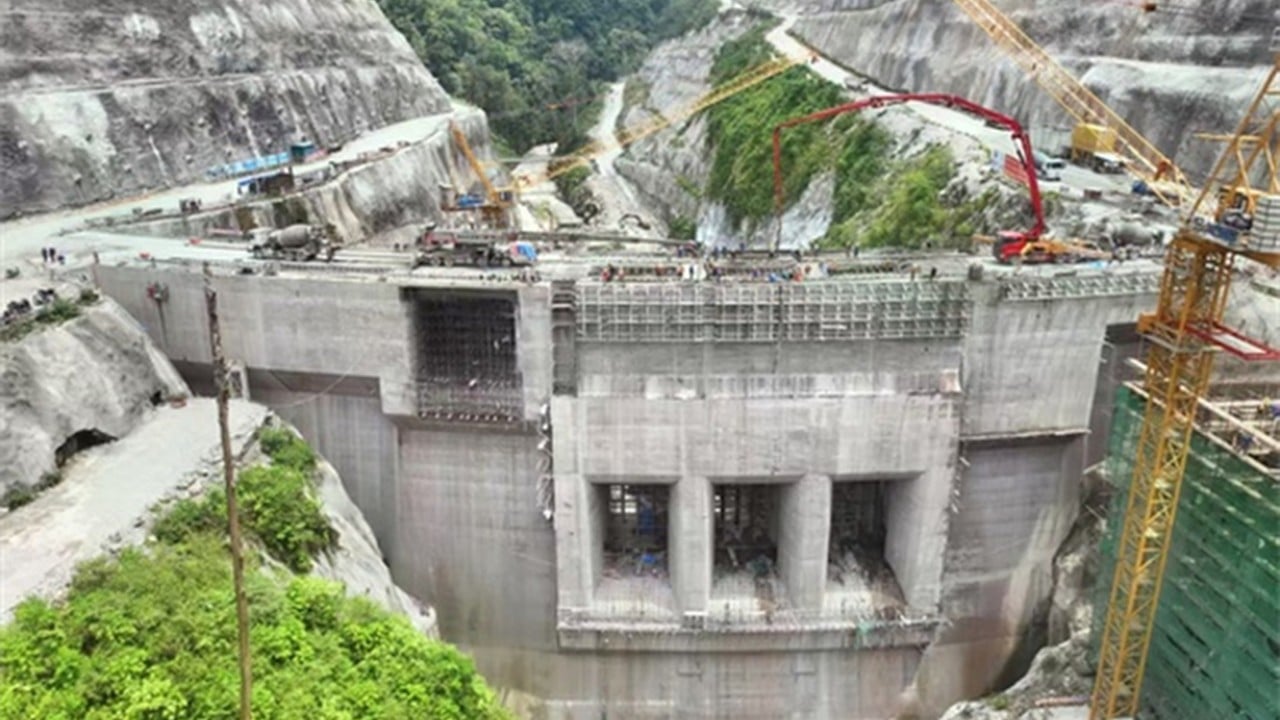
After deadly floods and landslides swept through Sumatra last year, Indonesia’s government has moved to revoke permits blamed for damaging forests – ensnaring a flagship China-backed hydropower project and rattling investor confidence in one of Southeast Asia’s fastest-growing renewable energy markets.
The decision, unveiled last month by President Prabowo Subianto’s administration, has been welcomed by environmental groups as a long-awaited show of teeth. But it has also raised questions about...
Analysis & Context
After deadly floods and landslides swept through Sumatra last year, Indonesia’s government has moved to revoke permits blamed for damaging forests – ensnaring a flagship China-backed hydropower project and rattling investor confidence in one of Southeast Asia’s fastest-growing renewable energy markets.
The decision, unveiled last month by President Prabowo Subianto’s administration, has been welcomed by environmental groups as a long-awaited show of teeth. But it has also raised questions about... This article provides comprehensive coverage and analysis of current events.
After deadly floods and landslides swept through Sumatra last year, Indonesia’s government has moved to revoke permits blamed for damaging forests – ensnaring a flagship China-backed hydropower project and rattling investor confidence in one of Southeast Asia’s fastest-growing renewable energy markets.
The decision, unveiled last month by President Prabowo Subianto’s administration, has been welcomed by environmental groups as a long-awaited show of teeth. But it has also raised questions about...
AdvertisementIndonesiaThis Week in AsiaPoliticsIndonesia’s US$1.67 billion China-backed dam is in limbo. Why?Even energy regulators were kept in the dark about the abrupt crackdown that has spooked renewables investorsReading Time:4 minutesWhy you can trust SCMPResty Woro YuniarPublished: 8:00am, 16 Feb 2026After deadly floods and landslides swept through Sumatra last year, Indonesia’s government has moved to revoke permits blamed for damaging forests – ensnaring a flagship China-backed hydropower project and rattling investor confidence in one of Southeast Asia’s fastest-growing renewable energy markets.The decision, unveiled last month by President Prabowo Subianto’s administration, has been welcomed by environmental groups as a long-awaited show of teeth. But it has also raised questions about transparency and due process, after officials acknowledged that even senior energy regulators were not fully informed about the move.North Sumatera Hydro Energy (NSHE), the developer of the US$1.67 billion Batang Toru hydroelectric project, was among 28 companies whose permits were revoked on January 20 over allegations of forest damage. The cancellations followed an expedited audit of companies operating in forest areas across Aceh, North Sumatra and West Sumatra provinces by the Forest Area Regulation Task Force.An area in Batang Toru, South Tapanuli, devastated by a flash flood late last year. Photo: ReutersEnvironmentalists have blamed deforestation linked to extractive activities and infrastructure projects for amplifying the impact of floods and landslides that struck in November after tropical cyclone Senyar made landfall, killing more than 1,200 people, according to official figures.AdvertisementPrabowo pointed to the permit revocations in his keynote address at the World Economic Forum on January 22, presenting the move as a signature enforcement push.“Two days ago, I led a cabinet meeting by Zoom from London, and we decided to revoke the licences of 28 corporations that had licences over 1.01 million hectares because we found them violating laws. They were building plantations on protected forests,” Prabowo said.Advertisement“Combined with the 4 million hectares of plantations already confiscated, we have in fact enacted the boldest, the most daring forest law-enforcement effort in the history of Indonesia.”AdvertisementSelect VoiceSelect Speed0.8x0.9x1.0x1.1x1.2x1.5x1.75x00:0000:001.00x