Analysis & Context
## Pentagon's Harvard Halt: A New Front in the Culture Wars
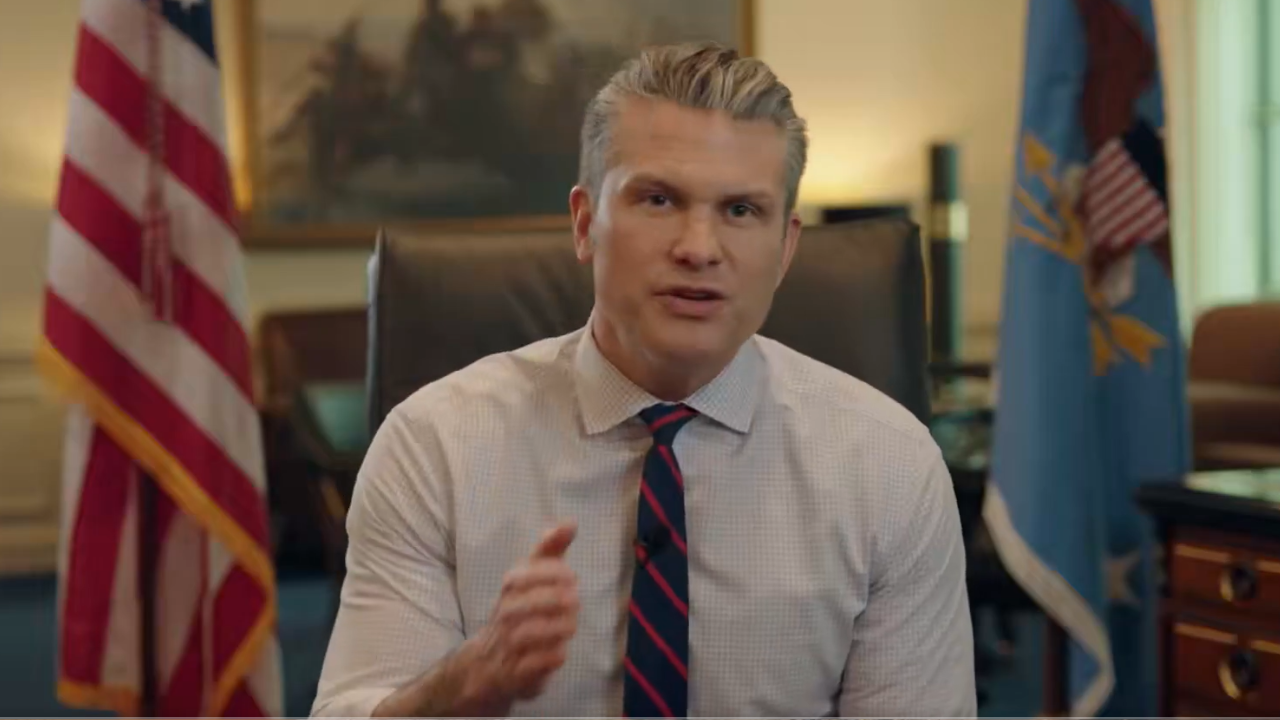
A significant policy shift from the Pentagon, announced by Defense Secretary Pete Hegseth, signals an impending severing of military training and fellowship programs with Harvard University, effective the 2026-27 academic year. This move, framed by Hegseth as Harvard no longer meeting the "needs of the War Department," transcends a mere administrative adjustment; it appears to be a direct consequence of escalating political and ideological tensions between the current administration and a prominent institution of higher learning.
The declaration, accompanied by the blunt assertion, "Harvard is woke, we are not," casts this decision squarely within the ongoing culture wars that have increasingly permeated American public discourse. For years, conservative voices have criticized what they perceive as a leftward drift in academia, often labeling institutions like Harvard as bastions of "woke" ideology. This sentiment suggests that the Pentagon's decision is less about practical military training efficacy and more about ideological alignment, or lack thereof.
This development carries substantial implications. For Harvard, it represents a loss of prestige, funding, and a valuable pipeline for its students into public service and national defense. Military programs often bring diverse perspectives and practical experience to university campuses, enriching the academic environment. Conversely, for the military, cutting ties with a top-tier institution could limit its access to some of the nation's brightest minds, potentially impacting future leadership and strategic thinking.
Beyond the immediate parties, this action sets a troubling precedent. It raises questions about the politicization of national defense and educational partnerships. Should military collaborations be contingent on an institution's perceived political leanings? Such a stance risks isolating critical sectors of society and undermining the very principle of intellectual diversity that is essential for robust national debate and problem-solving.
The timing, attributed to the "Trump administration," further contextualizes this as part of a broader, sustained campaign against institutions deemed ideologically opposed. This isn't an isolated incident but rather another skirmish in a protracted battle over cultural values and the role of education in American society. As the 2026-27 academic year approaches, the ramifications of this decision will undoubtedly continue to unfold, sparking further debate on the intersection of politics, education, and national security. The true cost, both tangible and intangible, of this ideological rift remains to be seen.